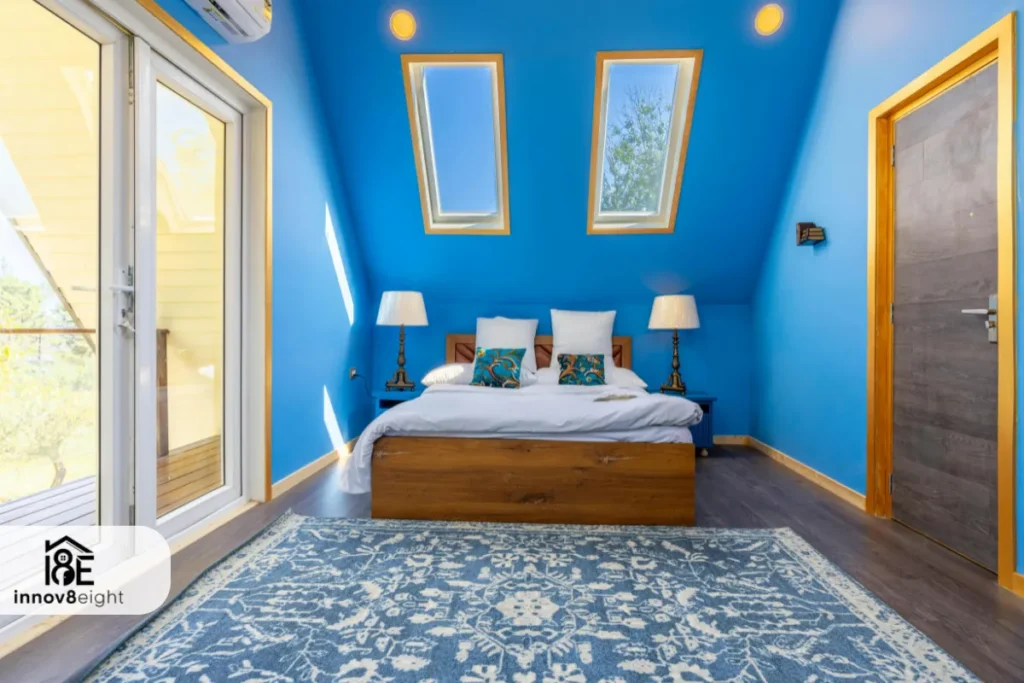
When it comes to designing a home, understanding the typical bedroom size is essential for creating a comfortable & functional space. Whether you are planning a master suite, guest room, or a child’s bedroom, knowing the standard dimensions helps in arranging furniture, planning storage, & maintaining a balanced layout. From typical bedroom size in feet for cozy rooms to spacious suites, homeowners often wonder what dimensions work best.
At Innov8eight, we focus on providing practical insights into typical bedroom size so you can make informed decisions for your home design. This guide will walk you through standard sizes, ideal layouts, & expert tips to make every bedroom a perfect retreat.
Understanding the Typical Bedroom Size
Designing a bedroom begins with knowing the typical bedroom size. The size of a bedroom not only affects the comfort level but also influences furniture placement, lighting, & overall functionality. A room that is too small can feel cramped, while a space that is too large may feel empty or difficult to heat & furnish efficiently.
What is a Typical Bedroom Size?
A typical bedroom size refers to the standard dimensions commonly found in most homes. While bedroom sizes can vary depending on the type of room, style of home, & personal preferences, there are some standard ranges that are widely accepted.
- Small Bedrooms: Usually range between 100–120 sq. ft.
- Medium Bedrooms: Typically measure 120–150 sq. ft.
- Large Bedrooms/Master Suites: Often exceed 200 sq. ft.
These sizes are ideal for accommodating basic furniture such as a bed, dresser, nightstands, & walking space without overcrowding.
Typical Bedroom Size in Feet
When thinking about typical bedroom size in feet, most small bedrooms measure around 10×10 ft to 12×12 ft, medium bedrooms are approximately 12×12 ft to 14×16 ft, & master bedrooms can range from 16×20 ft or larger. These dimensions provide a balance between functionality & comfort, allowing space for furniture & movement.
Understanding the typical bedroom size is crucial for proper room planning. It ensures that your bedroom is not only aesthetically pleasing but also practical for daily use.
Factors Affecting Typical Bedroom Size & Layout
While knowing the typical bedroom size is helpful, several factors influence how large or small a bedroom should be. Understanding these elements ensures that your bedroom is both functional & comfortable.
1. Purpose of the Bedroom
The function of the bedroom plays a significant role in determining its size.
- Master Bedrooms: Usually require more space for a larger bed, seating area, & additional storage.
- Guest Bedrooms: Can be smaller, focusing mainly on comfort & essential furniture.
- Children’s Bedrooms: Often need extra space for play, study, & storage.
2. Furniture & Storage Requirements
The amount & type of furniture you plan to include impacts the typical bedroom size.
- Beds (Queen, King, or Twin) determine the minimum space needed.
- Wardrobes, dressers, & nightstands require extra square footage.
- Walk-in closets or built-in storage can increase room size but improve functionality.
3. Room Shape & Layout
The shape of a room affects usability. Square rooms are easier to furnish, while rectangular rooms may require creative arrangements. Keeping circulation space in mind ensures that the room doesn’t feel cramped even if it meets the typical bedroom size in feet standards.
4. Natural Light & Ventilation
Bedrooms with large windows or multiple openings may feel more spacious, allowing flexibility in room dimensions. Ensuring proper airflow & light can make even a smaller bedroom feel comfortable.
5. Personal Preferences & Lifestyle
Some homeowners prefer larger bedrooms for a luxurious feel, while others prioritize smaller, cozier rooms. Lifestyle choices such as working from the bedroom, including a reading nook, or having exercise equipment will influence the typical bedroom size required.
By considering these factors, you can better understand the recommended dimensions & create a bedroom that meets both aesthetic & practical needs.
Standard Bedroom Sizes for Different Types of Bedrooms
Understanding the typical bedroom size for various room types helps homeowners plan furniture placement & maximize comfort. Below is a detailed guide on standard bedroom sizes.
1. Small Bedrooms
Small bedrooms are ideal for single sleepers, guest rooms, or compact spaces. Despite their size, proper planning can make them functional & cozy.
| Room Type | Typical Bedroom Size in Feet | Square Footage |
|---|---|---|
| Single Bedroom | 10×10 ft to 12×12 ft | 100–144 sq. ft |
| Guest Bedroom | 10×11 ft to 11×12 ft | 110–132 sq. ft |
2. Medium Bedrooms
Medium-sized bedrooms are the most common in modern homes. They provide enough space for a double or queen bed & additional furniture.
| Room Type | Typical Bedroom Size in Feet | Square Footage |
|---|---|---|
| Standard Bedroom | 12×12 ft to 14×14 ft | 144–196 sq. ft |
| Teen/Children’s Bedroom | 12×13 ft to 14×15 ft | 156–210 sq. ft |
3. Large Bedrooms & Master Suites
Master bedrooms & large bedrooms are designed for maximum comfort, offering space for sitting areas, larger closets, & sometimes private bathrooms.
| Room Type | Typical Bedroom Size in Feet | Square Footage |
|---|---|---|
| Master Bedroom | 16×20 ft to 18×22 ft | 320–396 sq. ft |
| Luxury Suite | 20×22 ft or larger | 440+ sq. ft |
These dimensions reflect the typical bedroom size in feet for functional use while allowing flexibility for furniture arrangement, décor, & lifestyle needs.
Tips for Using These Sizes Effectively
- Prioritize furniture layout before choosing room size.
- Consider built-in storage to maximize space efficiency.
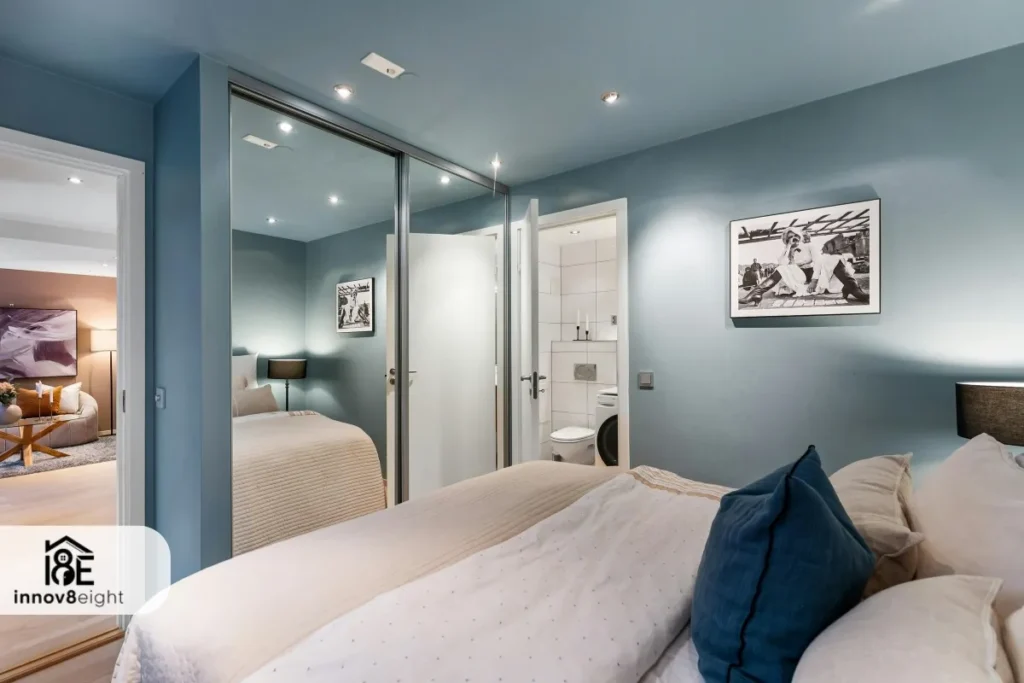
- Use mirrors & light colors to make smaller bedrooms appear larger.
- Ensure walking space of at least 2–3 ft around the bed for comfort.
By following these standard sizes, you can ensure that each bedroom meets practical requirements without compromising comfort or style.
Bedroom Layout Ideas & Furniture Arrangement Tips
Knowing the typical bedroom size is only the first step; arranging furniture efficiently is equally important for comfort & functionality. Proper layout ensures smooth movement, maximizes space, & enhances the overall aesthetic.
1. Master Bedroom Layout Ideas
Master bedrooms are usually the largest rooms in a home, so you have more flexibility.
- Place the bed against the longest wall to create a focal point.
- Include a seating area or reading nook if space allows.
- Add bedside tables on both sides to maintain symmetry.
- Consider built-in wardrobes or walk-in closets to save floor space.
Using these strategies ensures that the typical bedroom size is fully utilized while maintaining a luxurious feel.
2. Guest Bedroom Arrangement Tips
Guest bedrooms tend to be smaller, so every inch counts.
- Choose a bed size that fits comfortably without overwhelming the room.
- Use multi-functional furniture, such as storage beds or ottomans.
- Keep pathways clear & minimalistic to enhance accessibility.
Even with a compact typical bedroom size in feet, these tips help create a welcoming & functional guest space.
3. Children’s & Teen Bedroom Layouts
Children’s bedrooms need to balance sleep, study, & play areas.
- Position the bed to allow maximum play space.
- Use loft beds or bunk beds to save floor space.
- Include storage solutions like shelves, drawers, & bins.
- Ensure study desks have proper lighting & ergonomic placement.
By planning based on the typical bedroom size, you can accommodate growing children while keeping the room organized & inviting.
4. Tips for All Bedrooms
- Always leave at least 2–3 ft of walking space around the bed.
- Use rugs to define separate areas within larger rooms.
- Opt for vertical storage to free up floor space.
- Incorporate mirrors to make smaller rooms feel larger.
With these layout ideas, homeowners can make the most of the typical bedroom size while maintaining a stylish & comfortable environment.
Tips for Maximizing Space in Any Bedroom
Even if your bedroom doesn’t match the ideal typical bedroom size, there are smart ways to make the most of the available space. These strategies help maintain comfort & functionality without compromising style.
1. Use Multi-Functional Furniture
Furniture that serves more than one purpose is essential in smaller bedrooms.
- Beds with storage drawers underneath reduce the need for extra dressers.
- Foldable desks or wall-mounted tables save floor space.
- Ottomans with storage compartments can double as seating & organization.
2. Optimize Vertical Space
When the floor area is limited, think vertically.
- Install tall wardrobes or shelving units to utilize wall height.
- Hang hooks & racks to store bags, hats, or accessories.
- Lofted beds for children or teens free up space underneath for desks or play areas.
3. Keep the Layout Minimalistic
A cluttered room feels smaller, regardless of the typical bedroom size in feet.
- Limit furniture to essentials.
- Use slim-profile furniture to create more walking space.
- Maintain clear pathways for easy movement.
4. Strategic Use of Mirrors & Lighting
Mirrors & lighting can make even small bedrooms feel larger.
- Place mirrors opposite windows to reflect natural light.
- Use layered lighting: ceiling lights, bedside lamps, & accent lights.
- Light-colored walls & furniture enhance the perception of space.
5. Creative Storage Solutions
Smart storage keeps bedrooms organized without taking extra space.
- Use under-bed storage boxes or bins.
- Floating shelves free up floor area.
- Built-in closets optimize wall space efficiently.
By implementing these tips, you can maximize functionality in any bedroom, whether it meets the standard typical bedroom size or is slightly smaller.
Design Considerations Based on Typical Bedroom Size
Knowing the typical bedroom size is essential, but design choices can dramatically affect how spacious & comfortable a room feels. By carefully selecting colors, furniture, & décor, you can enhance both style & functionality.
1. Color Schemes to Enhance Space
- Light, neutral colors like whites, pastels, & soft grays make smaller rooms feel larger.
- Darker shades can add warmth & coziness to larger bedrooms, but balance them with adequate lighting.
- Use accent walls to create visual interest without overwhelming the space.
2. Furniture Selection & Placement
- Choose furniture that complements the room size. For example, avoid oversized beds in small rooms.
- Keep walking space in mind—leave at least 2–3 ft around the bed.
- Floating or wall-mounted furniture can free up floor space while maintaining functionality.
3. Use of Textiles & Accessories
- Lightweight curtains or blinds maximize natural light.
- Rugs can define areas within a room, especially in larger master bedrooms.
- Mirrors & reflective surfaces create the illusion of depth, making the room feel bigger.
4. Storage & Organization
- Built-in storage solutions help maintain a clutter-free environment.
- Consider multifunctional furniture like storage beds, ottomans, & benches.
- Use vertical space for shelving to maximize utility without compromising walking space.
5. Personal Touches & Comfort
- Add personal décor items sparingly to avoid clutter.
- Layer bedding, cushions, & throws to create a cozy atmosphere.
- Ensure sufficient lighting for reading, working, & relaxation.
By keeping these design considerations in mind, you can make any bedroom, regardless of the typical bedroom size, feel inviting, functional, & stylish.
Common Mistakes to Avoid When Planning a Bedroom Size
Even with knowledge of the typical bedroom size, many homeowners make mistakes that reduce comfort & functionality. Avoiding these pitfalls ensures your bedroom remains a relaxing & practical space.
1. Choosing Furniture Without Considering Room Size
- Oversized furniture can make a bedroom feel cramped, even if it meets the typical bedroom size in feet.
- Always measure your room before purchasing beds, dressers, or wardrobes.
- Opt for appropriately scaled furniture to maintain walking space & flow.
2. Ignoring Storage Needs
- Lack of storage leads to clutter, making the room feel smaller.
- Failing to plan closets, shelves, or under-bed storage can limit functionality.
3. Poor Lighting & Ventilation
- Inadequate lighting can make a room feel dull & confined.
- Avoid blocking windows with furniture; natural light improves both perception & mood.
- Consider layered lighting—overhead, task, & accent—to create a balanced environment.
4. Not Planning Circulation Space
- A common mistake is placing furniture too close together, restricting movement.
- Ensure at least 2–3 ft of walking space around the bed & main furniture pieces.
5. Overcrowding with Decorations
- Excessive décor can clutter the room visually & physically.
- Choose a few impactful items rather than filling every surface, maintaining a clean & spacious feel.
By avoiding these common mistakes, you can ensure that your bedroom maximizes the typical bedroom size efficiently, providing both comfort & style.
Final Thought
Understanding the typical bedroom size is key to designing a space that is both comfortable & functional. From small guest rooms to luxurious master suites, knowing standard dimensions, furniture placement, & layout strategies ensures that every bedroom serves its purpose effectively. By considering factors such as storage, lighting, décor, & circulation space, you can maximize the potential of any room.
At Innov8eight, we believe that thoughtful planning & smart design choices can transform even modest spaces into stylish retreats. Whether you are planning a new home or updating your current bedroom, keeping the typical bedroom size in feet in mind will help you create a room that is both practical & inviting.
With these insights, you can confidently design bedrooms that feel spacious, organized, & tailored to your lifestyle—making every bedroom a perfect haven for rest & relaxation. Innov8eight is here to guide you in making informed choices that combine style & functionality.
FAQs
1. What is the typical bedroom size?
The typical bedroom size varies depending on the type of room. Small bedrooms usually range from 10×10 ft to 12×12 ft, medium bedrooms are around 12×12 ft to 14×16 ft, & large master bedrooms often exceed 16×20 ft. These dimensions help ensure comfort & proper furniture placement.
2. What is the typical bedroom size in feet for a master bedroom?
A master bedroom typically ranges from 16×20 ft to 18×22 ft. This allows space for a large bed, seating area, storage, & circulation space, providing both comfort & functionality.
3. How can I make a small bedroom feel bigger?
Even if your bedroom is smaller than the typical bedroom size in feet, you can maximize space by using multi-functional furniture, vertical storage, mirrors, light colors, & minimal décor. This creates a sense of openness while maintaining functionality.
4. How much walking space should I leave in a bedroom?
For optimal comfort, leave at least 2–3 ft of walking space around the bed & main furniture pieces. This ensures smooth movement & prevents the room from feeling cramped, regardless of the typical bedroom size.
5. Can the typical bedroom size vary by home type?
Yes, the typical bedroom size can differ based on the home style, age of the property, & intended use of the bedroom. Modern homes tend to have larger master bedrooms, while older homes or compact designs may have smaller dimensions.