
The Big Announcement
Recently, the news broke that Kirkland’s will close underperforming home décor stores across the U.S. For many loyal shoppers, especially in cities like Hartford, CT, and Albany, NY, this feels like the end of an era. These closures aren’t just about one company—they highlight larger store closures in the US retail industry and the challenges brick-and-mortar stores are facing.
Why Are Home Décor Stores Struggling?
The way people shop is changing. Instead of visiting traditional home decor stores, more shoppers are choosing an online thrift store for home decor. It’s faster, often cheaper, and offers more variety without leaving your couch. This shift puts pressure on physical stores to adapt—or risk closing their doors.
The Push Toward Digital
Experts say the e-commerce growth in the home décor sector has accelerated faster than expected. Shoppers now expect convenience, quick delivery, and fresh design inspiration online. That’s one reason why home décor retail trends 2025 are all about blending online and in-store experiences.
Lessons From Other Retailers
Kirkland’s isn’t alone in this journey. Other big names have faced similar hurdles and bounced back with bold changes. Think about the Bed Bath & Beyond revival 2025, which aims to bring the brand back to life, or the Overstock and BuyBuy Baby relaunch, which is reshaping how these stores connect with families.
Retail Rebranding Strategies
Many brands are focusing on retail rebranding strategies 2025 to refresh their image. Others are looking at multi-brand retail expansion to diversify their offerings and attract new customers. These moves are designed to prevent closures and keep shoppers engaged.
What This Means for Shoppers
For customers, the impact of store closures goes beyond losing a favorite shopping spot. It’s about fewer local options and the need to explore alternatives. That’s why many people search for home decor stores like Anthropologie or stores similar to Anthropologie home decor. They’re hunting for style, uniqueness, and quality, all rolled into one experience.
The Future of Brick-and-Mortar Stores
So, is this the end for physical stores? Not exactly. The future of brick-and-mortar home décor stores will likely focus on creating special experiences—like in-store workshops, exclusive collections, or design consultations. With smart retail turnaround strategies, some stores can not only survive but thrive in this new era.
How Kirkland’s Store Closures Reflect Bigger Retail Trends
Kirkland’s decision to shut down underperforming home décor stores isn’t happening in isolation—it’s part of a bigger retail shake-up. Across the U.S., many well-known brands are cutting back locations due to rising costs, changing shopper habits, and the unstoppable rise of online shopping. The customer impact of store closures is clear: less access to physical shopping but more reliance on digital platforms.
Why Shoppers Are Moving Online
The appeal of browsing an online thrift store for home decor is simple: convenience, affordability, and endless options. Customers in cities like Hartford, CT, and Albany, NY, who once visited their local home decor stores, now find it easier to order stylish décor pieces from their phones. This rapid e-commerce growth in the home décor sector is forcing traditional stores to rethink their strategies.
The Retail Industry’s Response
Some brands see closures as a setback, but others treat them as a chance to reinvent themselves. The store closures in the US retail industry have pushed many companies toward smarter business models, mixing digital shopping with unique in-store experiences.
Multi-Brand Expansion and Rebranding
Two strategies are leading the way forward: multi-brand retail expansion and retail rebranding strategies 2025. Multi-brand expansion allows companies to diversify—offering not just home décor but also lifestyle goods, fashion, or even wellness products. Rebranding, on the other hand, helps stores refresh their image and reconnect with modern shoppers.
Lessons From Comebacks
If there’s anything to learn from recent comebacks, it’s that bold changes can pay off. The Bed Bath & Beyond revival 2025 is a perfect example of how a struggling brand can rebuild trust and excitement. Similarly, the Overstock and BuyBuy Baby relaunch shows how companies can breathe new life into old favorites by embracing digital-first models.
The Road Ahead
What does this mean for Kirkland’s? The brand may need strong retail turnaround strategies to survive and grow again. This could include cutting costs, focusing on top-performing stores, and leaning more into digital channels while still keeping a unique physical presence.
Why This Matters for Shoppers
For you, the shopper, these changes mean a mix of challenges and opportunities. While some favorite home décor stores may disappear from local malls, new alternatives—like stores similar to Anthropologie home decor—are stepping up to meet demand. The home décor retail trends 2025 suggest that the best stores will be the ones that balance both worlds: stylish in-person shopping experiences and fast, reliable online services.
What Sets Kirkland’s Apart From Other Home Décor Stores
When people hear about Kirkland’s to close underperforming home décor stores, many wonder how it compares to other popular names in the industry. In cities like Hartford, CT, and Albany, NY, customers are spoiled with choices. Shoppers can visit trendy home décor stores like Anthropologie or explore smaller boutiques that specialize in unique, one-of-a-kind pieces.
The Anthropologie Effect
Stores such as Anthropologie have created a loyal following by offering a curated shopping experience. Their bohemian-inspired products and warm in-store atmosphere set them apart. Many shoppers search for stores like Anthropologie for home decor because they want the same stylish vibe, but at a more affordable price. This has created an entire segment of stores similar to Anthropologie home decor that are thriving online and offline.
Why Kirkland’s Struggled
Kirkland’s, in comparison, has sometimes struggled to find its sweet spot between affordability and uniqueness. While its product variety is wide, many shoppers feel that online competitors—like an online thrift store for home decor—offer better deals and fresher collections. This shift shows how e-commerce growth in the home décor sector continues to challenge traditional stores.
The Importance of Local Presence
Yet, it’s important not to overlook local demand. In places like home decor stores Hartford CT or home decor stores Albany NY, residents often prefer in-person shopping where they can touch, feel, and see items before buying. This proves that the future of brick-and-mortar home décor stores isn’t disappearing completely—it just needs to evolve.
The Battle Between Online and In-Store
This tug-of-war highlights a key point in home décor retail trends 2025: the most successful brands will be those that blend physical stores with strong online experiences. Customers expect the charm of a physical store combined with the convenience of fast delivery and easy online browsing.
Learning From Industry Turnarounds
If Kirkland’s wants to stay in the game, it could take lessons from recent revivals. The Bed Bath & Beyond revival 2025 showed that customers respond well when brands modernize and rebuild trust. Similarly, the Overstock and BuyBuy Baby relaunch proved that leaning into digital while keeping a recognizable brand identity can spark renewed excitement.
What This Means for Shoppers Like You
At the end of the day, you have more options than ever. Whether you’re browsing stores similar to Anthropologie home decor, exploring a cozy home décor store in Hartford, CT, or hunting deals at an online thrift store for home decor, the variety available is wider than ever before. The key takeaway? Store closures might close one door, but they often open another for better shopping experiences.
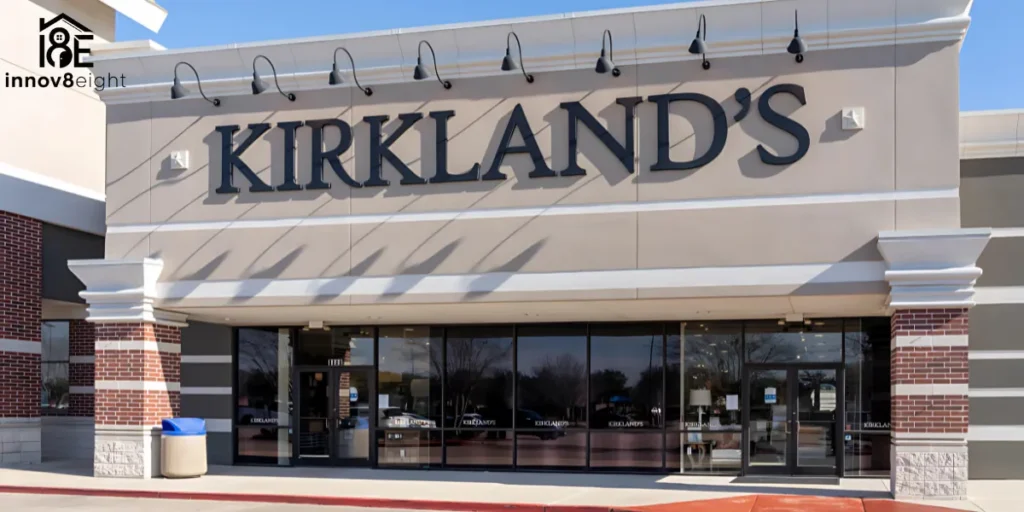
Store Closures and the Changing Face of Home Décor Retail
The Bigger Trend of Store Closures
The news of Kirkland’s to close underperforming home décor stores is not an isolated case. Across the country, retailers are facing tough choices. The number of store closures in the US retail industry has risen steadily in recent years, and 2025 is shaping up to be another challenging year.
For many shoppers, this can feel disappointing. Imagine driving to your favorite home décor stores in Albany, NY, only to find them closed. Or discovering that a shop you loved in Hartford, CT has shut its doors. These closures leave gaps in local communities, forcing customers to either shop online or travel farther to find the right home décor pieces.
Why Brands Are Shutting Stores
So, why are so many retailers struggling? The answer lies in shifting home décor retail trends 2025. Consumers want convenience, affordability, and personalization. Many brands that fail to modernize—especially those without a strong digital presence—fall behind. At the same time, rising costs of maintaining physical spaces make it harder for underperforming stores to survive.
The Role of Rebranding Strategies
But closures don’t always signal the end. Many companies use them as a fresh start. Successful retail rebranding strategies 2025 show that brands can downsize their physical footprint while strengthening their identity. Some focus on building sleek online platforms, while others reinvent their stores into experience-driven spaces.
Lessons From Other Retailers
Take the Bed Bath & Beyond revival 2025 as an example. The brand faced a dramatic collapse but is slowly rebuilding its image by focusing on customer trust and modernized offerings. Similarly, the Overstock and BuyBuy Baby relaunch proved that retail giants can reinvent themselves when they listen to customers and embrace change.
These stories show that with the right retail turnaround strategies, even companies that struggle today can succeed tomorrow.
Impact on Customers
Of course, the real question is: how does this affect you as a shopper? When stores like Anthropologie for home decor thrive while others close, it changes where you shop, what prices you pay, and even the style of products you can buy. While closures may limit options in your town, the growth of multi-brand retail expansion and e-commerce growth in the home décor sector means you often gain more online variety and convenience than ever before.
The Rise of E-Commerce and the Future of Home Décor Shopping
Online Shopping Takes the Lead
It’s no secret that shopping habits have changed dramatically. Today, more customers are turning to digital platforms instead of walking into physical stores. The e-commerce growth in the home décor sector has exploded in recent years, and it’s only expected to keep rising through 2025.
Think about it—why drive across town to visit home decor stores in Hartford, CT or home decor stores in Albany, NY, when you can browse thousands of options online? From trendy lamps to cozy rugs, everything is just a click away. This shift is one of the main reasons behind the Kirkland’s to close underperforming home décor stores announcement.
The Role of Online Thrift Stores
But it’s not just the big retailers seeing growth. Smaller, niche businesses are thriving too. An online thrift store for home decor gives shoppers affordable, unique finds without the hassle of digging through shelves in person. Many younger buyers love the mix of sustainability and style—something traditional retailers struggle to offer at scale.
The Challenge for Brick-and-Mortar Stores
With this digital surge, the future of brick-and-mortar home décor stores feels uncertain. Many physical locations are becoming more about “experience” than inventory. For example, stores similar to Anthropologie home decor often draw people in with styled displays, inspiration corners, and in-store exclusives. It’s not just shopping—it’s about sparking creativity and offering a lifestyle.
Retail Turnaround in Action
The lesson here is that physical stores won’t disappear entirely, but they must adapt. By blending in-store inspiration with strong online platforms, brands can stay relevant. Some are even testing multi-brand retail expansion, partnering with other companies to share space, lower costs, and attract diverse audiences.
The winners in 2025 and beyond will be those who embrace both worlds: immersive physical spaces combined with powerful online shopping experiences.
How Store Closures Impact Customers
When we hear about announcements like Kirkland’s to close underperforming home décor stores, the first thought is usually about business strategy. But let’s not forget the human side. For many shoppers, these stores weren’t just places to buy furniture or wall art—they were sources of inspiration. Imagine walking through home decor stores in Hartford, CT, seeing ideas come to life, and suddenly that experience is gone. The loss feels personal.
Where Shoppers Are Turning Now
As stores close, customers are exploring alternatives. Many are shifting toward online thrift stores for home decor, where they can still find unique and budget-friendly pieces. Others are flocking to home decor stores like Anthropologie, or checking out stores similar to Anthropologie home decor, where curated, Instagram-worthy displays keep that sense of creativity alive.
The Cost of Convenience
E-commerce offers speed and convenience, but it does have trade-offs. You can’t touch fabrics, test furniture, or see true colors before clicking “buy.” That’s why the customer impact of store closures goes beyond lost shopping options—it’s also about the loss of tactile experiences. For people who enjoy browsing in home decor stores Albany, NY, or visiting a local Kirkland’s, shopping was part of their weekend routine.
A Mixed Reaction
Not every customer feels the same. Some are embracing this shift and love the wider choices available online. Others miss the warmth and familiarity of neighborhood stores. What’s clear is that the store closures in US retail industry are reshaping not just shopping habits but also customer expectations.
Retail Turnaround Strategies and Rebranding in 2025
The wave of store closures in the US retail industry has pushed many brands to rethink how they operate. For companies like Kirkland’s to close underperforming home décor stores, a turnaround strategy isn’t just about survival—it’s about regaining customer trust and staying relevant in a competitive market.
Retail Rebranding Strategies 2025
One of the biggest trends shaping this year is retail rebranding strategies 2025. Instead of simply shutting doors, companies are using closures as opportunities to refresh their image. This might mean updating store layouts, creating limited-edition collections, or even collaborating with influencers to reach new audiences. By rebranding, stores aim to show customers they’re not stuck in the past but are evolving with fresh ideas.
Multi-Brand Retail Expansion
Another exciting approach is multi-brand retail expansion. Instead of running single-brand stores, many companies are merging offerings under one roof. Imagine walking into a space where you find home décor from Kirkland’s alongside curated pieces from stores like Anthropologie for home decor or smaller artisan labels. This mix-and-match model allows retailers to appeal to a wider range of shoppers while keeping the experience unique.
Lessons from Bed Bath & Beyond Revival 2025
A shining example is the Bed Bath & Beyond revival 2025, where strong rebranding and strategic partnerships have given the brand a second life. By leaning into online growth, refreshing product lines, and building trust with loyal customers, Bed Bath & Beyond is showing other retailers that bouncing back is possible.
Building for the Future
Ultimately, retail turnaround strategies are about balancing tradition with innovation. Brick-and-mortar stores may shrink, but they won’t disappear entirely. Those that survive will thrive by adapting quickly, offering memorable in-store experiences, and integrating seamlessly with digital platforms.
The E-Commerce Boom in the Home Décor Sector
E-Commerce Growth in Home Décor
In recent years, shopping habits have shifted dramatically. More and more people now prefer scrolling through their phones instead of walking through malls. The e-commerce growth in the home décor sector proves this point clearly. With just a few clicks, shoppers can explore a wider variety of styles, compare prices, and even read reviews before making a purchase.
Online Thrift Stores for Home Décor
One of the most exciting changes has been the rise of the online thrift store for home decor. These digital platforms allow budget-conscious shoppers to grab stylish, gently used pieces at a fraction of the cost. For younger shoppers especially, thrifting online offers a fun, sustainable, and affordable way to decorate their homes.
Competing with Home Décor Giants
Traditional home decor stores Hartford CT or home decor stores Albany NY are finding it harder to compete with online platforms that offer fast delivery and endless options. Even big names like stores similar to Anthropologie home decor are investing heavily in digital strategies to keep up. Whether it’s through virtual shopping experiences or AI-powered recommendations, e-commerce is no longer just an add-on—it’s the backbone of modern retail.
Future of Brick-and-Mortar vs. Online
This doesn’t mean physical stores are obsolete. Instead, the future seems to be a balance between both worlds. Shoppers may explore products in-store but finalize their purchases online. Many stores like Anthropologie for home decor are already testing this “hybrid” model, combining showroom-style stores with seamless e-commerce options.
Why This Matters
For customers, this digital boom translates into better convenience, broader choices, and often lower prices. For retailers, however, it’s a challenge that requires constant innovation. Those that embrace e-commerce while still offering unique in-store experiences are the ones most likely to thrive in the coming years.
Customer Impact of Store Closures
How Store Closures Affect Shoppers
When news broke about Kirkland’s to close underperforming home décor stores, many loyal shoppers felt a wave of disappointment. For years, these stores provided not just products, but inspiration and atmosphere. The closure of local home decor stores Hartford CT or home decor stores Albany NY means customers lose easy access to unique pieces and that special in-store experience.
Limited Access to Products
For communities where a favorite store closes, the options shrink. While some customers may turn to stores similar to Anthropologie home decor, others feel disconnected from the brands they’ve known for years. This lack of nearby stores often pushes shoppers to rely heavily on e-commerce, which isn’t always a perfect substitute—especially for décor items people want to see and feel in person.
Emotional Connection with Brands
Shopping for home décor is more than just buying furniture or wall art—it’s about creating a space that feels personal. When stores close, customers lose that emotional connection they’ve built with a brand. It’s why many shoppers feel frustrated or even nostalgic when hearing about the wave of store closures in US retail industry.
Shifts Toward Online Shopping
While closures cause inconvenience, they also accelerate the shift to online buying. Customers who once visited stores like Anthropologie for home decor now explore digital alternatives, including the growing online thrift store for home decor market. For some, this means discovering more variety and affordability. For others, it’s a less satisfying experience compared to browsing through physical aisles.
Bigger Picture: Changing Habits
At the end of the day, these closures reshape shopping habits. Customers become more open to exploring e-commerce growth in home décor sector, testing out new retailers, or even leaning into sustainable shopping trends. In many ways, the impact is not just about where they buy—but how they see and value home décor shopping altogether.
Retail Turnaround Strategies and Future Outlook
How Brands Can Bounce Back
The closure of Kirkland’s underperforming home décor stores is a wake-up call, but it doesn’t spell the end. Many retailers are already mapping out retail turnaround strategies that focus on efficiency, customer experience, and smarter product lines. For example, stronger supply chain management and exclusive product collections can help brands stand out in a crowded market.
Rebranding and Expansion Moves
We’ve seen other big names try bold strategies. The Bed Bath & Beyond revival 2025 and Overstock and BuyBuy Baby relaunch prove that a smart retail rebranding strategy 2025 can restore trust and excitement. Similarly, companies are exploring multi-brand retail expansion—partnering with or acquiring other names in the market to reach new customer bases.
Strengthening the Online Experience
With shoppers moving online, the e-commerce growth in home décor sector is not just a trend but a necessity. Brands that once relied on physical traffic now invest in sleek websites, personalized recommendations, and virtual design tools. Whether customers are browsing stores like Anthropologie for home décor or searching through an online thrift store for home decor, a strong digital presence builds loyalty and drives sales.
The Future of Brick-and-Mortar Stores
Even as online shopping grows, physical stores are far from gone. Instead, the future points to brick-and-mortar home décor stores becoming more experiential—spaces where customers can see, touch, and imagine products in their own homes. These stores may shrink in size but expand in creativity, acting as inspiration hubs rather than just sales floors.
Looking Ahead to 2025 and Beyond
As home décor retail trends 2025 evolve, we’ll likely see a mix of smarter technology, personalized shopping, and hybrid retail strategies. Brands that adapt quickly and balance digital convenience with emotional connections in-store will thrive, while others may continue to struggle. For customers, that means more choice, better value, and new ways to make their homes truly reflect who they are.