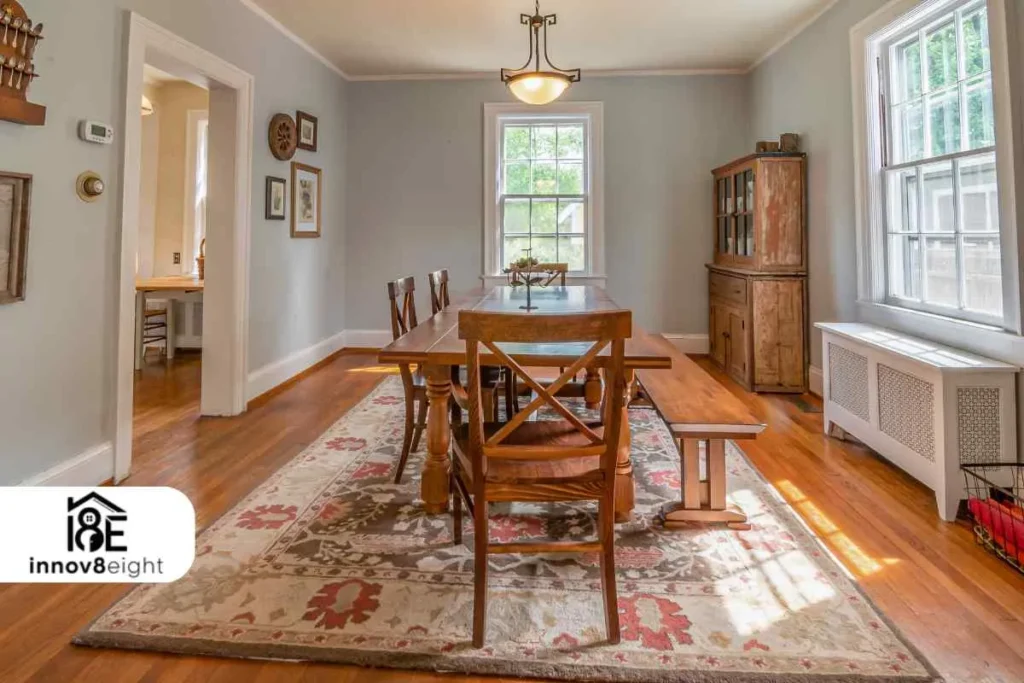
Your dining space is more than just a place to eat—it’s where conversations flow, memories are made & style shines through. One essential element that brings this space together is the dining room rug. The right rug doesn’t just add visual warmth; it also enhances comfort, defines your dining zone & elevates the overall design of your home.
Choosing the perfect dining room rug might seem simple, but it requires thoughtful consideration of size, shape, material & pattern to create a harmonious balance with your table, chairs & décor. Whether you’re selecting a round dining room rug, a large dining room area rug, or simply exploring options for the best rug for dining room interiors, understanding these elements can make all the difference.
At Innov8eight, we believe every home deserves a blend of beauty & functionality. That’s why this guide will walk you through everything you need to know about finding the perfect dining room rug—from style tips to sizing rules—so you can design a dining space that feels both elegant & inviting.
Why a Dining Room Rug Matters
A dining room rug is more than a simple decorative element—it’s a powerful design feature that sets the tone for your entire dining area. While furniture & lighting contribute to the ambiance, a well-chosen rug for dining room settings provides both visual harmony & functional benefits that transform an ordinary dining space into a refined centerpiece of your home.
1. Defines Your Space
In open-concept homes, a dining room rug helps define the dining zone without the need for walls or dividers. It creates a clear visual boundary that separates the dining area from adjoining spaces like the living room or kitchen. Whether you choose a rectangular or round dining room rug, this subtle distinction adds depth & structure to your home layout.
2. Adds Comfort & Warmth
Nothing feels cozier than stepping onto a soft, plush dining room area rug during family meals or dinner parties. Rugs instantly add warmth underfoot, making your space more inviting & comfortable. They also help dampen noise from chairs, footsteps & conversations, creating a calm & pleasant dining experience.
3. Enhances Style & Aesthetic Appeal
A dining room table rug can completely change the mood of a room. From minimalist neutrals to bold patterns, the right rug design ties all the décor elements together—your table, chairs, lighting & wall art—into one cohesive look. A well-matched dining room rug complements your furniture & color palette, ensuring a balanced & stylish finish.
4. Protects Your Floors
Beyond beauty, practicality plays a major role. A quality rug for dining room areas safeguards your flooring from scratches, spills & wear caused by chairs being pulled in & out. It acts as a protective layer while adding sophistication to your space.
5. Improves Acoustics
Dining areas often feature hard surfaces that can echo sounds. A soft dining room area rug absorbs noise, reducing echoes & enhancing the overall acoustics of the room. This makes conversations during meals more intimate & enjoyable.
How to Choose the Right Dining Room Rug Size
Selecting the right dining room rug size is one of the most important factors in creating a visually appealing & comfortable dining space. A rug that’s too small can make your dining area feel cramped, while one that’s too large may overwhelm the room. Striking the right balance ensures your dining room rug enhances both form & function.
1. Measure Your Dining Table First
The golden rule when selecting a dining room table rug is to measure your dining table first. Your rug should extend at least 24 to 30 inches beyond the edges of your table on all sides. This allows diners to pull out chairs without the legs slipping off the rug, maintaining comfort & protecting your floors.
For instance, if your table measures 6 feet long, your dining room rug size should ideally be around 9 feet long. This proportional approach helps create symmetry & flow within your dining space.
2. Account for Chair Movement
Comfort matters as much as style. When choosing a rug for dining room layouts, consider the full motion of dining chairs. The rug should be large enough to accommodate chairs even when pulled back. This prevents the awkward wobble that happens when chair legs rest halfway on & off the rug.
3. Leave Some Breathing Room
A good design principle is to leave 12 to 18 inches of bare floor visible around the perimeter of your dining room area rug. This not only frames the rug beautifully but also helps the space feel balanced & open, rather than crowded.
4. Consider the Shape of Your Table
The shape of your dining table often determines the best rug shape. Here’s how to match them effectively:
- Rectangular Table: Choose a rectangular dining room rug that follows the table’s shape for a harmonious look.
- Round Table: A round dining room rug is ideal for circular tables, maintaining visual flow & symmetry.
- Square Table: A square rug works beautifully to define the area without leaving excess floor space uncovered.
5. Plan for Room Layout
Before finalizing your dining room rug size, visualize how it fits within your overall room layout. Make sure the rug aligns well with nearby furniture, such as sideboards or buffets, to maintain cohesion. You can even use painter’s tape to outline the dimensions on the floor before purchasing—an easy trick to ensure the rug fits perfectly.
Choosing the Best Material for Your Dining Room Rug
The material of your dining room rug affects not only how it looks but also how it feels & performs over time. Because dining areas are high-traffic zones prone to spills & stains, choosing a durable, easy-to-clean material is crucial. The right rug for dining room spaces should combine comfort, resilience & easy maintenance—all while enhancing your home’s style.
1. Wool Rugs – Timeless Warmth & Durability
Wool remains one of the most popular materials for dining room rugs due to its luxurious texture & natural resilience. Wool rugs are soft underfoot, naturally stain-resistant & long-lasting, making them ideal for families who frequently host meals or gatherings. They also provide excellent insulation, helping maintain warmth during colder months.
However, keep in mind that wool dining room rugs may shed initially & often require professional cleaning to preserve their softness & color over time.
2. Synthetic Rugs – Budget-Friendly & Low Maintenance
If you’re seeking affordability & convenience, synthetic options like polypropylene, nylon, or polyester are top choices. These dining room area rugs mimic the look of natural fibers while being resistant to stains, fading & moisture. They’re perfect for busy households or homes with children, as spills can be easily wiped clean without leaving permanent marks.
Synthetic materials also offer a variety of patterns & colors, allowing you to find a dining room rug that complements any décor style.
3. Natural Fiber Rugs – Eco-Friendly Elegance
For eco-conscious homeowners, natural fiber rugs made from jute, sisal, or seagrass offer earthy textures & organic charm. These rugs for dining room areas bring warmth & a rustic feel, ideal for coastal, farmhouse, or bohemian interiors.
However, they are more sensitive to moisture & stains, so it’s best to use them in dining rooms with less frequent spills or under tables where meals aren’t too messy.
4. Cotton Rugs – Lightweight & Washable
Cotton rugs are light, colorful & machine-washable, making them great for casual dining spaces or breakfast nooks. A cotton dining room table rug is easy to swap out when you’re ready for a new look. Although not as durable as wool or synthetic materials, cotton rugs provide an affordable, flexible option for everyday use.
5. Blended Rugs – The Best of Both Worlds
Blended materials, such as wool-synthetic or cotton-polyester mixes, offer a balanced combination of durability & softness. These dining room rugs retain the comfort of natural fibers while improving stain resistance & longevity, giving you the best features from both categories.
Matching Rug Shape & Style with Your Dining Room Décor
Your dining room rug does more than cover the floor—it anchors your décor, enhances aesthetics & brings your personality to life. The right rug shape, pattern & color can elevate even the simplest dining setup into a cohesive, stylish space. Whether you prefer a minimalist modern look or a traditional classic vibe, understanding how to match your dining room rugs to your décor is key.
1. Choosing the Right Shape
The shape of your rug should complement the shape of your dining table to maintain harmony & balance in the room.
- Rectangular Rugs: Ideal for long, rectangular tables. This classic shape keeps your dining space structured & formal while offering plenty of coverage.
- Round Rugs: A round dining room rug works beautifully with circular tables, promoting an organic, symmetrical flow. This combination softens sharp lines & creates an inviting, intimate atmosphere.
- Square Rugs: Perfect for square tables or compact dining spaces. A square rug for dining room use ensures proportional spacing & visual balance.
- Oval Rugs: Great for oval or extended tables. They combine the elegance of a round rug with the practicality of a rectangular one.
When you match the shape of your rug to the table, you naturally enhance the visual coherence of your dining area.
2. Coordinating with Your Décor Style
Every interior design style calls for a different type of dining room rug. Here’s how to pick one that aligns perfectly with your décor theme:
- Modern or Contemporary: Opt for solid tones or geometric patterns in neutral shades like gray, beige & ivory. Sleek dining room area rugs in low-pile fabrics work well for a clean, sophisticated look.
- Traditional: Go for intricate Persian or Oriental patterns in deep, warm hues such as burgundy, navy & gold. These timeless designs add richness & depth to your dining room.
- Bohemian: Layered textures, fringes & vibrant colors make a space feel lively & creative. A jute or handwoven dining room table rug complements boho décor effortlessly.
- Farmhouse or Rustic: Natural materials like wool or jute in earthy tones bring coziness & charm to farmhouse settings.
- Scandinavian or Minimalist: Choose a neutral-toned rug for dining room areas with simple textures & subtle patterns for understated elegance.
3. Color Coordination Tips
Your dining room rug color should complement—not compete with—your furniture & flooring. Follow these guidelines for flawless coordination:
- Light Rugs: Make small spaces feel open & airy. Ideal for rooms with dark furniture.
- Dark Rugs: Ground the space & hide stains easily, suitable for light-colored furniture.
- Patterned Rugs: Add interest without overpowering the room. Patterns are great for concealing minor spills or crumbs in busy dining areas.
4. Texture Matters
Texture plays a subtle yet impactful role in enhancing your décor. A plush dining room area rug feels luxurious & cozy, while a flat-weave rug provides a sleek, contemporary appeal. Mixing textures within your dining room—like pairing a wooden table with a soft wool rug—creates visual depth & balance.
Care & Maintenance Tips for Your Dining Room Rug
A beautiful dining room rug is an investment in comfort & style, but to keep it looking its best, proper care & maintenance are essential. Since dining areas often experience heavy foot traffic, spills & crumbs, regular upkeep will help your dining room rugs stay vibrant & durable for years.
1. Vacuum Regularly
Vacuuming your rug for dining room areas at least once or twice a week prevents dirt & debris from settling deep into the fibers. Use a vacuum without a beater bar if you have delicate or loop-pile rugs, as this helps avoid damage. For round dining room rug designs, rotate the rug occasionally while vacuuming to maintain even wear.
2. Address Spills Immediately
Accidents happen—especially during meals. Blot spills instantly with a clean cloth to prevent staining. Avoid rubbing, as it can spread the liquid deeper into the fibers. For persistent stains, use a mild detergent solution or a rug cleaner suitable for your rug’s material. Remember, wool & natural fiber dining room rugs may require professional cleaning for tougher stains.
3. Rotate Periodically
Rotating your dining room area rugs every few months ensures even fading & wear. Dining rooms often receive uneven sunlight, causing certain areas to discolor faster. Regular rotation balances exposure & keeps your rug looking fresh longer.
4. Use Rug Pads
A rug pad is a small but powerful addition to your dining room rug setup. It prevents slipping, adds cushioning & protects your floors from scratches. It also improves air circulation beneath the rug, which helps reduce moisture buildup.
5. Shake & Air It Out
Every few months, take your rug outdoors for a good shake or gentle beat to remove dust. Allowing it to air out eliminates trapped odors, keeping your rug for dining room use smelling clean & fresh.
6. Professional Cleaning
While regular maintenance goes a long way, professional deep cleaning once a year (or every 18 months) restores your rug’s original color & texture. Experts use methods tailored to the rug’s material, ensuring it stays soft, clean & vibrant without damage.
7. Protect from Sunlight
Constant sunlight exposure can fade even the highest-quality dining room rugs. To preserve the colors, use curtains or blinds during the brightest part of the day. Alternatively, rotate your rug periodically to distribute sunlight evenly.
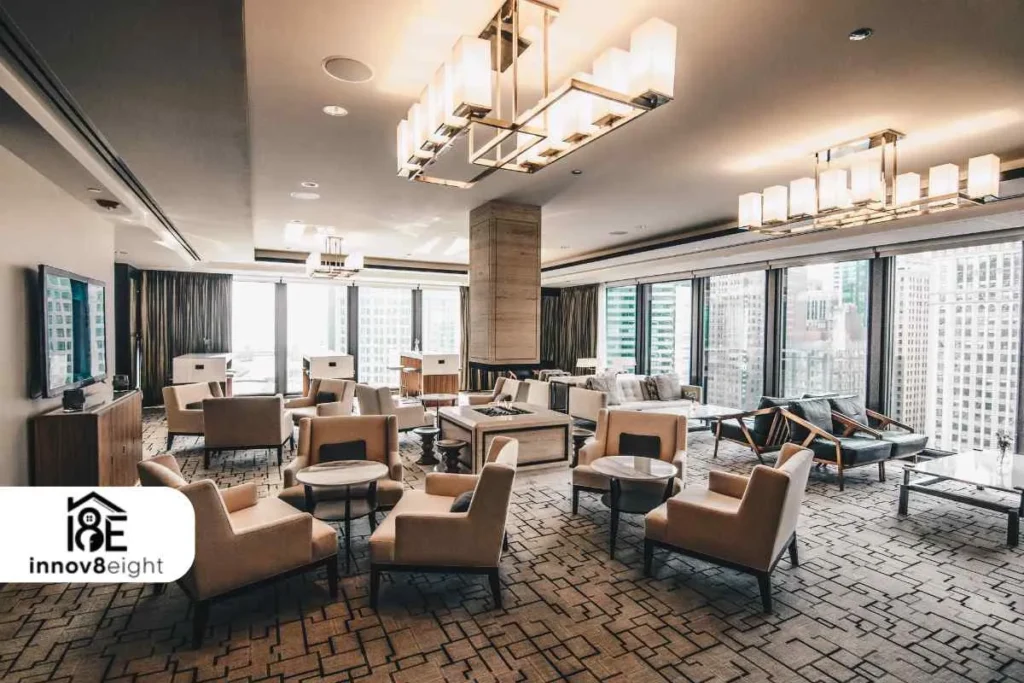
Top Styling Ideas for Dining Room Rugs
Styling a dining room rug is about blending beauty with practicality. The right design choices can instantly uplift your dining area, making it feel cohesive, inviting & full of character. Whether your taste leans modern, rustic, or eclectic, these styling ideas will help you showcase your dining room rugs with confidence.
1. Layer Rugs for Depth & Texture
Layering rugs is a bold trend that adds personality to your space. Try placing a neutral dining room area rug as your base & layer a smaller patterned or textured rug on top. This approach works especially well in larger dining rooms where you want to create visual depth. For example, a round dining room rug layered over a jute rug can create a dynamic, bohemian vibe.
2. Match Your Rug to Artwork or Accents
A cohesive color story is key to creating a visually balanced room. Choose a rug for dining room spaces that picks up accent colors from your artwork, curtains, or tabletop décor. Matching tones & textures ties your room together seamlessly without overwhelming the design.
3. Contrast with Furniture
Contrast is a powerful styling technique. If your dining table & chairs are dark, opt for a light-toned dining room rug to brighten the space. Conversely, if your furniture is light or minimalist, a darker or patterned rug adds depth & definition. This contrast helps highlight both the furniture & the rug, making each element stand out beautifully.
4. Experiment with Bold Patterns
Don’t shy away from bold designs. Geometric prints, stripes, or intricate motifs can add a stunning focal point beneath your dining table. Patterned dining room rugs are also practical—they hide stains, spills & crumbs more effectively than solid-colored ones, making them perfect for busy households.
5. Keep It Centered
Balance is everything. Always center your dining room table rug beneath the table so that equal space extends on all sides. This ensures your setup looks deliberate & symmetrical, even when chairs are pulled out.
6. Add Warmth with Natural Elements
Pairing a soft dining room rug with natural elements—like wooden tables, rattan chairs, or potted greenery—creates a grounded, organic atmosphere. This combination feels timeless & welcoming, ideal for casual family meals or cozy gatherings.
7. Use Seasonal Swaps
Common Mistakes to Avoid When Choosing a Dining Room Rug
Even the most beautifully designed dining room rugs can fall short if they’re chosen or styled incorrectly. Avoiding a few common mistakes will ensure your dining room rug enhances your space instead of disrupting its flow. Here’s what to look out for before making your final selection.
1. Choosing the Wrong Size
One of the biggest mistakes is selecting a dining room rug size that’s too small for your table. A small rug makes the area look unbalanced & can cause chairs to wobble when pulled out. Always make sure the rug extends at least 24 to 30 inches beyond your table’s edges on all sides. This guarantees a comfortable dining experience & a polished, proportionate look.
2. Ignoring Room Proportions
Your rug for dining room areas should suit not only the table but also the size of the entire room. A rug that overwhelms a compact dining space or one that disappears beneath large furniture will throw off the balance. Use masking tape to mark your desired rug dimensions before purchasing—it’s a simple way to visualize how the rug will fit.
3. Overlooking Material Choice
Not every rug material is suited for dining use. Delicate silk rugs, for example, stain easily & are challenging to clean. Always choose durable materials like wool, synthetic fibers, or cotton blends that can handle spills & foot traffic. Your dining room table rug should look beautiful but also be practical for everyday life.
4. Forgetting About Maintenance
No matter how stunning your dining room area rugs are, they require maintenance. Rugs under dining tables are exposed to crumbs, liquids & frequent chair movement. Forgetting to vacuum or rotate your rug regularly can lead to uneven wear & fading. Consistent care extends the lifespan of your rug & keeps it looking vibrant.
5. Ignoring Décor Harmony
Your dining room rug should complement your furniture, wall color & overall interior theme. A rug that clashes in color or pattern can disrupt the room’s visual flow. Always consider your décor palette before deciding on the rug design. Matching doesn’t mean identical—look for complementary tones that enhance your dining space’s aesthetic.
6. Choosing the Wrong Shape
Using the wrong shape—like pairing a round dining room rug with a long rectangular table—can make the room feel awkward or disconnected. Align the rug’s shape with the table’s geometry for balance & style consistency.
7. Neglecting Under-Rug Padding
Skipping a rug pad is a subtle but costly mistake. A quality pad keeps your dining room rug from sliding, adds comfort underfoot & protects your floors from scratches. It also helps the rug retain its shape, ensuring it stays flat even after years of use.
Final Thought
A carefully chosen dining room rug can completely transform your dining area, adding warmth, style & comfort to every meal. From selecting the perfect dining room rug size to matching materials, colors & patterns with your décor, each detail plays a vital role in creating a space that’s both functional & visually appealing.
Whether you’re drawn to a plush dining room area rug, a sleek dining room table rug, or a charming round dining room rug, paying attention to quality, maintenance & styling ensures your investment lasts for years. By avoiding common mistakes & following the expert tips shared in this guide, you can confidently choose a rug for dining room spaces that reflects your personal style while enhancing your home’s comfort.
At Innov8eight, we believe that every detail matters when it comes to home design. The right dining room rug not only protects your floors but also ties together your décor, making your dining area a place where family, friends & style come together seamlessly.
FAQs About Dining Room Rugs
1. What size dining room rug should I choose?
The ideal dining room rug size should extend 24–30 inches beyond the edges of your dining table on all sides. This allows chairs to move comfortably without catching on the rug.
2. Can I use a round rug under a rectangular table?
While a round dining room rug can work creatively, it’s best to match the rug shape with your table shape. Rectangular rugs complement rectangular tables, and round rugs pair beautifully with circular tables.
3. What is the best material for a dining room rug?
Durable materials like wool, synthetic fibers, or cotton blends are ideal for a rug for dining room use. Wool offers luxury & stain resistance, synthetics are budget-friendly & easy to clean, while cotton is lightweight & washable.
4. How do I prevent my dining room rug from slipping?
Using a high-quality rug pad underneath your dining room area rugs prevents slipping, adds cushioning, and protects your floor from scratches.
4. How do I prevent my dining room rug from slipping?
Using a high-quality rug pad underneath your dining room area rugs prevents slipping, adds cushioning, and protects your floor from scratches.
5. How often should I clean my dining room rug?
Vacuum your rug 1–2 times per week to remove dirt & crumbs. Blot spills immediately, and consider professional cleaning once a year to maintain color & texture, especially for wool or natural fiber rugs.
6. Can a dining room rug fit in a small space?
Yes! Choose a dining room table rug that fits the table proportionally and leaves 12–18 inches of floor space around the edges. Lighter colors or subtle patterns can also make small spaces feel open.
7. How do I choose the right style for my dining room rug?
Match your dining room rug with your décor by considering color, texture, and pattern. Modern spaces benefit from neutral or geometric rugs, while traditional, farmhouse, or bohemian styles can use patterns, natural fibers, or layered textures.