Define Your Tiny Home Vision
If you want to design a tiny home, the first step is to picture exactly how you want it to feel & function. Think about who will live there, what activities you’ll do inside, and whether it will be on a trailer or stationary. Are you planning a cozy 270 square foot tiny home designed after a 1920’s bungalow or a modern 2-bed tiny home plan for a sloping-lot at architectural designs? Knowing this early helps every choice from layout to materials.
Start by asking yourself:
- Do I want a tiny home camper trailer or a tiny home on a trailer for mobility?
- Should it be a tiny a frame home designs with a woodstove or something sleek like tiny homes design like a boat?
- Am I designing a sustainable tiny home or focusing more on comfort & aesthetics?
Decide on Layouts & Floor Plans
Designing a tiny home layouts takes some planning. You can sketch by hand or try a program to design a tiny home. Tools like design a tiny home app or design a tiny home floor plan app make it simple to visualize each corner. Some people use best free 3d model software to design a tiny home for a realistic view.
Here are 4 tips on designing a tiny home floor plan:
- Start with essentials: kitchen, bathroom, sleeping area.
- Use multi-functional furniture to save space.
- Consider vertical storage & loft areas.
- Make circulation simple to avoid cramped corners.
Choose Your Style & Features
Whether you’re designing a tiny home online free or exploring design my tiny home with a fireplace cheap, think about features that make your space enjoyable. How to design a farmhouse kitchen for a tiny home or how to design a kitchen for a tiny home can drastically affect daily comfort. Decide if you want a shed conversion or custom design. Where can I find a custom tiny home design? Exploring these ideas helps personalize your home.
Tools & Resources for Beginners
If you’re new, learning how to use chief architect to design a tiny home or programs to design a tiny home will be helpful. You can also explore designing a tiny home online or designing a tiny home community for shared spaces. Even if you just want to design a tiny home online, trying free apps helps test ideas before committing.
Legal & Regulatory Considerations
Understanding Permits & Codes
Before you start building, it’s crucial to know the rules. Tiny homes may need building permits depending on whether they’re stationary or on a trailer. Local zoning laws, fire codes, and plumbing & electrical regulations must be followed. Skipping this step can lead to fines or having to tear down parts of your tiny home.
Mobile vs Stationary Rules
If you’re designing a tiny home on a trailer or a tiny home camper trailer, road rules apply. Some states limit width, length, or height for towing. You’ll also need insurance and may have to pass inspections. Stationary tiny homes have different codes, including setbacks, lot size, and utility connections.
HOA & Neighborhood Restrictions
Even if the law allows it, your homeowners association (HOA) may have rules about exterior appearance, roofing, or exterior materials. Check before you invest in tiny a frame home designs or tiny homes design like a boat.
Safety Considerations
When structurally designing a tiny home, safety is key. Make sure loft ladders are secure, exits are easy to reach, and smoke detectors are installed. Tiny homes often use multi-level layouts, so paying attention to circulation and egress ensures a safe living space.
Practical Tips for Compliance
- Consult a local building inspector before finalizing plans.
- Research online: how to become a tiny home designer resources or programs to design a tiny home can help you learn legal requirements.
- Keep documentation for permits, floor plans, and construction approvals.
Following these rules ensures your tiny home project starts on solid legal footing. This makes your dream tiny home easier to build, safer to live in, and prevents costly surprises.
Size, Layout, and Floor Plan Principles
Choosing the Right Size
When designing a tiny home, size matters. Most tiny homes range from 100 to 400 square feet, but it depends on your needs. For instance, a 270 square foot tiny home designed after a 1920’s bungalow gives a charming vibe, while a 2-bed tiny home plan for a sloping-lot at architectural designs is better for families. Decide early if you want a single-level, lofted, or multi-level layout to make the best use of space.
Planning Functional Zones
Designing a tiny home layouts means thinking about function. Divide your space into zones: sleeping, cooking, living, and storage. Tiny homes design like a boat may have compact kitchen zones, while tiny a frame home designs often use lofts for bedrooms. Keeping circulation clear is essential to avoid cramped corners.
Loft & Multi-Level Considerations
Lofts can free up floor space, but safety and accessibility are key. Ensure ladders are secure and there’s enough headroom. For tiny home camper trailer layouts, consider weight distribution to prevent tipping while towing.
Tips for an Efficient Floor Plan
- Use multi-purpose furniture: foldaway beds or tables.
- Vertical storage: shelves, cabinets, or built-in cubbies.
- Place windows strategically to create a sense of space.
- Consider designing a shed into tiny home for extra flexibility.
Using Tools & Apps
Using a design a tiny home floor plan app or best free 3d model software to design a tiny home can help you visualize the layout. You can even experiment with design a tiny home online free to test multiple layouts before committing.
Planning your size and layout carefully ensures your tiny home feels spacious, functional, and comfortable while making every square foot count.
Space-Saving & Multi-Functional Design Hacks
Make Every Inch Count
Designing a tiny home means thinking creatively about space. Multi-functional furniture is your best friend. Foldaway beds, tables that double as storage, and convertible sofas can save tons of room. Tiny a frame home designs often use lofts and vertical storage to free up floor space for movement.
Smart Storage Solutions
Hidden storage is essential. Consider under-bed drawers, pull-out shelves, and built-in cabinets. Using wall-mounted hooks and vertical cubbies maximizes storage without cluttering your space. Even designing a tiny home layouts with creative nooks can make a huge difference.
Kitchen & Bathroom Efficiency
How to design a kitchen for a tiny home or a farmhouse-style kitchen for a tiny home? Keep it compact yet functional. Use foldable counters, stackable appliances, and open shelving. Bathrooms can be designed with sliding doors, corner sinks, and multi-use fixtures to save space.
Tips for Tiny Home Mobility
If you’re designing a tiny home on a trailer or a tiny home camper trailer, weight distribution is critical. Keep heavier items low and centered, and avoid overloading loft areas. These tricks ensure your home is safe for travel while maintaining efficiency inside.
Tools & Apps for Layout Experiments
Using a design a tiny home app or best free 3d model software to design a tiny home allows you to try multiple configurations. You can also design a tiny home online free to visualize storage solutions and test different furniture arrangements.
Quick Checklist
- Foldaway beds & convertible furniture
- Vertical storage & wall-mounted organizers
- Efficient kitchen & bathroom layouts
- Weight-conscious placement for trailers
Implementing these space-saving hacks makes your tiny home feel larger than it is while keeping it fully functional and comfortable.
Interior Design & Lighting Tips
Brighten Up Your Tiny Home
Designing a tiny home layouts isn’t just about floor plans—it’s also about how it feels inside. Natural light can make a small space feel much bigger. Place windows strategically to brighten key areas like the kitchen and living room. Mirrors can also trick the eye and create a sense of depth.
Color & Texture Tricks
Using light colors on walls, ceilings, and furniture makes the space feel open. Add texture with rugs, cushions, or wall accents to make it cozy without cluttering. Even tiny a frame home designs can feel warm and inviting with simple color schemes.
Furniture & Decor Tips
Pick furniture that serves multiple purposes. A foldable dining table, a bench with storage, or stackable chairs can save space while adding charm. Designing a tiny home with a fireplace cheap? Consider a compact or electric model for both comfort and style.
Kitchen & Living Areas
How to design a farmhouse kitchen for a tiny home or a standard tiny home kitchen? Keep appliances compact, open shelves for easy access, and clear counters for workspace. In living areas, multi-use furniture doubles as storage or sleeping areas when needed.
Adding Personal Touches
Your tiny home should reflect your personality. Photos, small plants, and personal items add warmth without overwhelming the space. Even designing a tiny home online or using apps to test layouts helps visualize where these elements fit best.
Lighting Tips
Use layered lighting: ambient lights for overall brightness, task lights for work areas, and accent lights for mood. LED strips under cabinets, wall sconces, or portable lamps save space while keeping the home well-lit.
By combining smart colors, textures, lighting, and furniture, your tiny home can feel airy, stylish, and functional without taking up extra square footage.
Mechanical & Technical Systems
Insulation & Climate Control
Designing a sustainable tiny home starts with keeping it comfortable year-round. Proper insulation in walls, floors, and ceilings prevents heat loss in winter & keeps it cool in summer. Tiny a frame home designs often use lightweight but efficient materials to save weight while maximizing comfort.
Electrical & Plumbing Systems
How to design a tiny home’s electrical system? Plan circuits for lighting, appliances, and heating safely. For plumbing, compact layouts work best—think corner sinks, stackable washer-dryers, and tankless water heaters. Designing a tiny home on a trailer may require specialized connections for water & electricity.
Off-Grid & Eco-Friendly Options
If you’re designing a tiny home camper trailer or off-grid tiny home, solar panels, rainwater collection, and composting toilets are essential. Using Chief Architect to design a tiny home or other design programs helps plan where these systems fit without crowding living spaces.
Heating & Cooling Solutions
Small homes heat up or cool down quickly. Consider mini-split HVAC, woodstoves, or portable heaters. Tiny homes design like a boat may need extra ventilation due to compact layouts, while lofted designs require airflow between levels.
Tools & Planning Apps
Using a design a tiny home app or program to design a tiny home can simplify planning mechanical systems. You can simulate layouts, estimate energy usage, and ensure everything fits before construction begins.
Quick Checklist
- Efficient insulation & climate control
- Safe electrical & plumbing layouts
- Solar, water, & waste systems for off-grid living
- Compact heating & cooling solutions
Planning mechanical and technical systems carefully ensures your tiny home is safe, sustainable, and comfortable without sacrificing space or functionality.
Materials & Weight Management
Choosing the Right Materials
When designing a tiny home, picking the right materials is key. Lightweight yet durable options make a big difference, especially if your home is on a trailer. Wood, steel frames, and eco-friendly composites are popular. Designing a tiny home layouts carefully around these materials ensures both safety and efficiency.
Fire & Moisture Resistance
Tiny homes must withstand daily wear and weather. Use fire-resistant panels for kitchens and living areas, and moisture-resistant materials for bathrooms and floors. Even tiny a frame home designs can benefit from treated wood or waterproof coatings to prevent damage.
Weight Distribution for Mobility
For trailer-based homes, balance is everything. Keep heavy items low and centered, and avoid overloading lofts or upper storage. How to design a tiny home on a trailer safely involves calculating weight limits and placement before finalizing the design.
Sustainable & Cost-Effective Choices
Designing a sustainable tiny home often means using recycled or locally sourced materials. This not only reduces costs but also supports eco-friendly construction. Shed conversions or small custom builds can benefit from leftover materials or affordable local suppliers.
Quick Tips
- Use lightweight, strong materials for structure
- Treat wood & other surfaces for fire & moisture protection
- Balance heavy items to maintain trailer stability
- Consider eco-friendly & recycled materials for sustainability
Choosing the right materials and managing weight properly ensures your tiny home is safe, durable, and functional without compromising on design or mobility.
Budgeting & Cost Considerations
Estimating Your Tiny Home Costs
Designing a tiny home doesn’t have to break the bank. Start by listing all major expenses: materials, labor, permits, and systems like plumbing & electrical. Shed conversions or tiny a frame home designs can sometimes lower costs compared to fully custom builds.
DIY vs Kits vs Contractors
- DIY: Cheapest option but requires time & skills. Great for learning how to design a tiny home online free or experimenting with a tiny home floor plan app.
- Kits: Moderate cost, faster build, often pre-engineered. Ideal for 2-bed tiny home plan for a sloping-lot at architectural designs.
- Contractors: Most expensive but ensures quality & compliance, especially for structurally designed tiny homes or multi-level layouts.
Hidden Costs to Watch
- Trailer upgrades if building a mobile tiny home
- Utilities and off-grid systems like solar panels or composting toilets
- Custom features like fireplaces or built-in furniture
Budget-Friendly Interior & Features
- Designing a tiny home with a fireplace cheap? Opt for compact or electric models.
- Use recycled or locally sourced materials.
- Multi-functional furniture saves both space & money.
Cost-Saving Tips
- Use best free 3d model software to design a tiny home before buying materials.
- Compare quotes from suppliers & contractors.
- Plan layouts carefully to reduce waste.
Keeping your budget realistic while designing a tiny home ensures you get a functional, stylish, and safe space without overspending.
Tools, Templates & Resources
Software & Apps for Planning
Designing a tiny home is easier with the right tools. Programs to design a tiny home or using Chief Architect to design a tiny home allow you to create precise layouts. Free options let you design a tiny home online or use a design a tiny home app to test ideas before building.
Floor Plans & Templates
- Best free 3d model software to design a tiny home for realistic visualizations
- Downloadable templates for common layouts, including lofts and multi-level designs
- Tiny a frame home designs and 270 square foot tiny home designed after a 1920’s bungalow plans
Experimenting & Customization
- Design a shed into tiny home to explore creative options
- Tiny homes design like a boat for unconventional inspiration
- Design my tiny home with a fireplace cheap or add special features
Learning Resources
- How to become a tiny home designer guides
- Tutorials on designing a tiny home camper trailer
- Communities for designing a tiny home online and sharing ideas
Quick Tips
- Test layouts digitally before committing to materials
- Use templates to avoid costly mistakes
- Explore multiple styles, from traditional bungalows to tiny a frames
Using the right tools and resources helps visualize your tiny home, make informed choices, and confidently move from concept to build.
Case Studies & Real-Life Examples
Tiny Homes Built by Experts
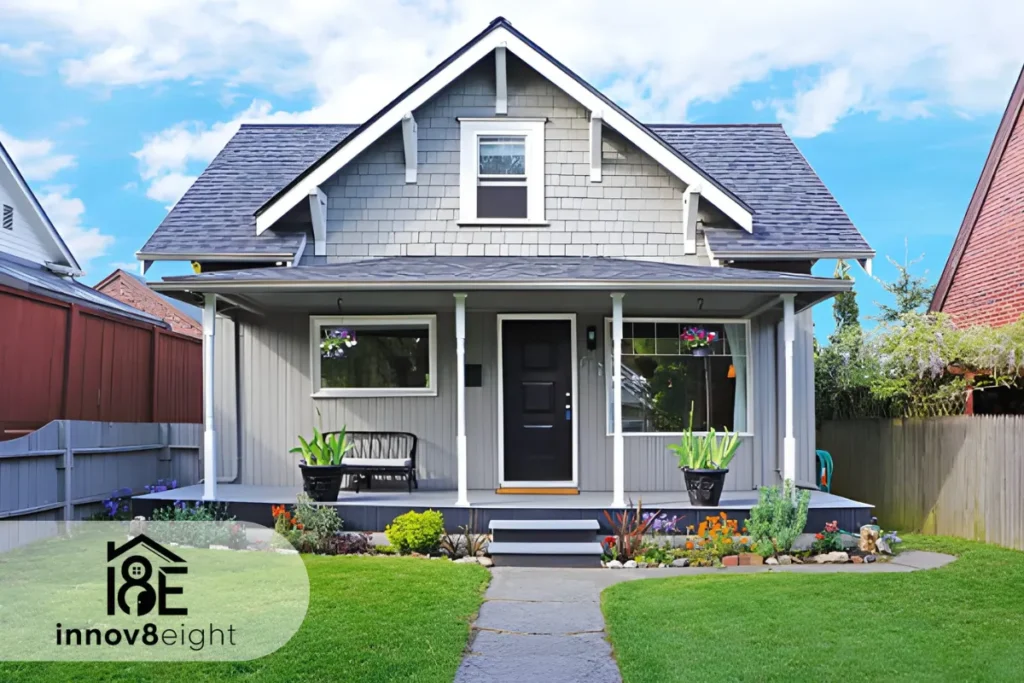
This tiny home was designed by a world-renowned architect, showing how clever planning transforms small spaces into functional, stylish living areas. From lofts to multi-level layouts, these examples provide real inspiration for your own design.
Mobile vs Stationary Homes
- Tiny home camper trailer builds highlight mobility & compact design.
- Stationary tiny homes often allow for larger layouts, more storage, and features like fireplaces.
- Comparing both helps you decide which type fits your lifestyle & budget.
Unique Layouts & Features
- Tiny a frame home designs with woodstove home designs showcase cozy interiors.
- Tiny homes design like a boat offers innovative storage and multi-functional furniture ideas.
- 2-bed tiny home plan for a sloping-lot at architectural designs provides practical solutions for tricky terrains.
Lessons Learned
- Always consider weight distribution for trailer-based homes.
- Prioritize essential zones: kitchen, bathroom, sleeping, and storage.
- Using programs to design a tiny home or a design a tiny home app early prevents costly mistakes.
Inspiration & Practical Advice
Case studies help visualize what’s possible, showing layouts, materials, and interior styling. They also provide tips on budgeting, space-saving, and sustainable living. Whether designing a tiny home online free or experimenting with custom features, learning from real-life builds boosts confidence and creativity.
FAQs
How much does it cost to design & build a tiny home?
Costs vary based on size, materials, and whether it’s DIY, a kit, or built by contractors. For example, designing a tiny home with a fireplace cheap may cost less than a fully custom lofted tiny home on a trailer.
What is the best way to design a tiny home floor plan?
Use a design a tiny home floor plan app or best free 3d model software to design a tiny home. Start with essential zones: kitchen, bathroom, sleeping, & storage, then add multi-functional furniture for efficiency.
Can I live off-grid in a tiny home?
Yes. Designing a sustainable tiny home or a tiny home camper trailer can include solar panels, composting toilets, and water collection systems. Using tools like Chief Architect to design a tiny home helps plan these systems properly.
How do I maximize storage in a tiny home?
Use vertical space, hidden compartments, foldaway furniture, and loft areas. Tiny a frame home designs often rely on smart storage to keep the living area open and functional.
Where can I find a custom tiny home design?
You can explore downloadable templates, online tools, and programs to design a tiny home. Designing a tiny home online free or using a design a tiny home app helps experiment before committing to construction.
Can I design a tiny home on a trailer?
Absolutely. Plan for weight distribution, proper anchoring, and safe layouts. How to design a tiny home on a trailer involves careful planning of furniture placement, mechanical systems, and mobility considerations.
How to design a tiny home kitchen efficiently?
Focus on compact appliances, foldable counters, and open shelving. Learning how to design a farmhouse kitchen for a tiny home or standard tiny home kitchen layout ensures both style and functionality.
Final Thoughts
Designing a tiny home is an exciting adventure that blends creativity, practicality, and personal style. Whether you’re planning a mobile tiny home camper trailer, a stationary tiny a frame home designs, or a 270 square foot tiny home designed after a 1920’s bungalow, careful planning makes all the difference.
Start with a clear vision, plan your layouts, and consider legal, structural, and mechanical systems early. Use apps, programs, and templates to experiment safely before committing to materials or construction. Small details like foldaway furniture, loft spaces, and smart storage can transform limited square footage into a comfortable, functional home.
Remember, budget matters. Decide between DIY, kits, or hiring contractors, and always account for hidden costs like permits, off-grid systems, and special features. Incorporating sustainable materials and energy-efficient systems not only saves money in the long run but also benefits the environment.
Learning from real-life examples—tiny homes designed by world-renowned architects, tiny homes design like a boat, or custom 2-bed tiny home plan for a sloping-lot at architectural designs—can spark inspiration and prevent common mistakes.
Ultimately, designing a tiny home is about making every square foot count while reflecting your personality and lifestyle. With careful planning, creativity, and the right tools, you can create a tiny home that is functional, beautiful, and uniquely yours.